
Blog

When the AI Is a Custodian
Your next custodian might not have an inbox, a job title, strong feelings about the office thermostat, or about someone nuking last night’s salmon in the microwave. It might have API access. For the uninitiated, an API is a way for software systems to communicate and...

Your Client’s Shopping Bot Clicked “Buy.” Who (or What) Made the Contract?
We have spent years teaching computers to answer our questions, although sometimes it is the other way around. Now we are teaching them to spend our money. The first time an AI shopping agent orders the wrong shoes, nobody will call a lawyer, but the first time it...

Happy Forensic Science Week!
TV has made digital forensics seem like it’s a piece of cake—all you have to do is lean toward a blurry security camera frame, say “Enhance,” and it will work. Every time. (At least on CSI.) In honor of the week, here are a few things television has taught the public...

Auto-Delete, Take Two: Regulatory Fines Can Dwarf Sanctions
Deleting the messages was the cheap part. I recently wrote about sanctions: the adverse-inference instruction, the spoliation finding, the judge with disapproval written all over his face telling the jury it may assume the worst about whatever got erased. That's a...

Your Client Told a Chatbot His Defense Strategy. Is It Still Privileged?
Your client wanted an early start. What he handed over was an early Exhibit A. Picture this: he knows he's under investigation, but he's anxious, he can't sleep, and he wants to get ahead of the thing. So, he opens a chatbot at 1 AM and does what people do now: he...

The Fourth Amendment Meets the Fourth Dimension
The Fourth Amendment walks into the fourth dimension. The bartender says, “Why are you here?” The Fourth Amendment replies, “You’re going to need probable cause to ask me that.” In some of my earlier articles and videos, I referred to a “Fourth Amendment search”...
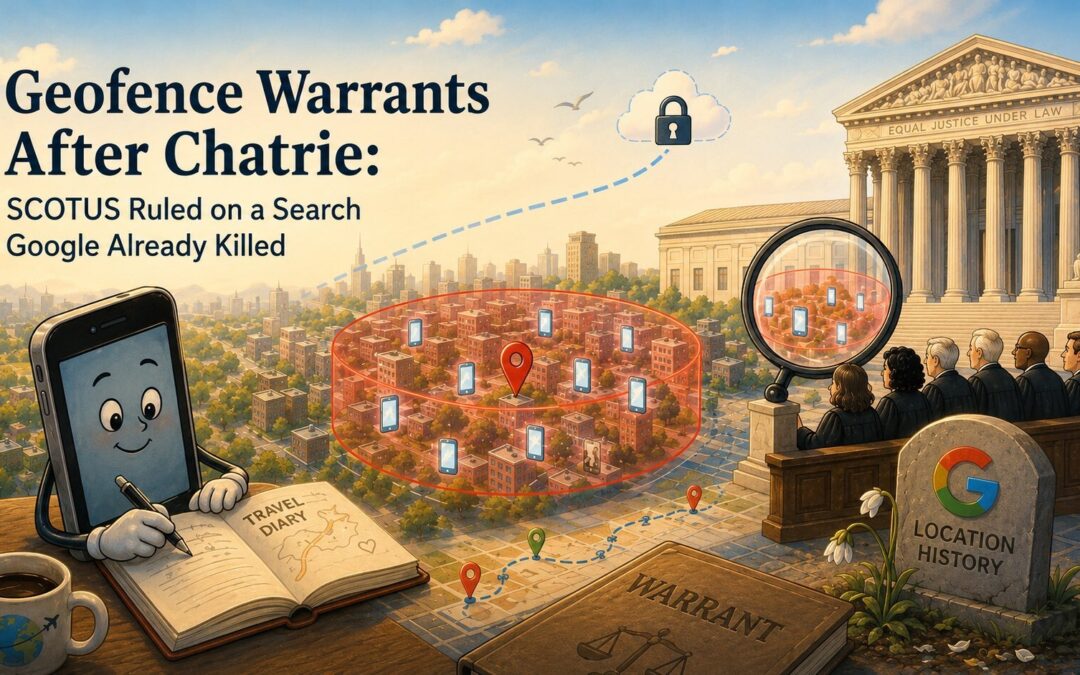
Geofence Warrants After Chatrie: SCOTUS Ruled on a Search Google Already Killed
Your phone has been keeping a travel diary. For years, Google kept a copy too. That made possible one of the more controversial investigative tools of the smartphone era: the geofence warrant, sometimes called a reverse-location warrant. Instead of starting with a...
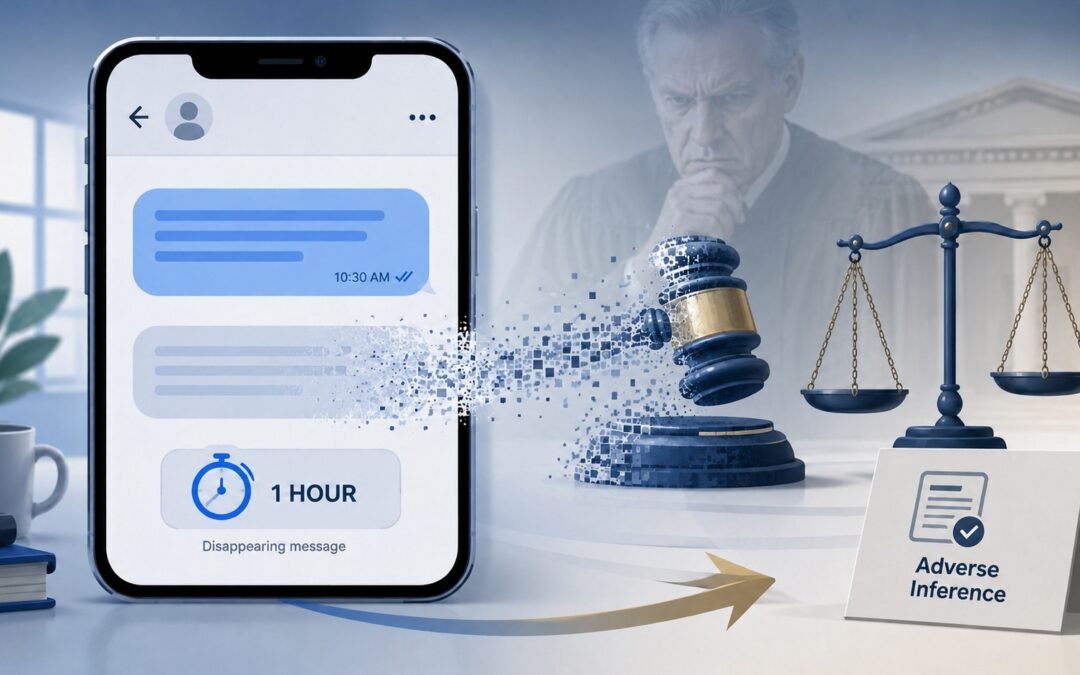
When “Auto-Delete” Becomes “Adverse Inference”
The messages were set to delete within an hour, and some of those settings were changed after a litigation hold had already landed. That was really the whole idea. If you practice long enough, you learn that the tools change but human nature doesn't. Caveguy Ugg...

What Happens to Your Digital Life When You Die (And Who Can Access It)
By Steve Burgess, Burgess Forensics, 2026 “He passed last month, and his whole life is locked inside his phone. Can’t you just get in?” I hear some version of that rather often —more than you might think, in fact. The request comes from grieving families, from...

Encrypted Doesn’t Mean Untouchable: What Attorneys Should Know About Device Access
“It’s encrypted, so I guess we’re just out of luck.” I hear some version of that from attorneys and other clients more often than you’d think, usually said with a kind of resigned finality, as though the phone in evidence had sealed itself inside a block of concrete....