
Can You Trust What You See? The Rise of Deepfakes and What It Means for Justice
Copyright 2026, Steve Burgess
I’ve been working with digital evidence since 1985, and I’ve seen a lot of changes. Back then, the biggest challenge was recovering data from a 10 MB hard drive—yes, megabytes, for you youngsters who think gigabytes are small. But nothing compares to what’s happening right now with artificial intelligence.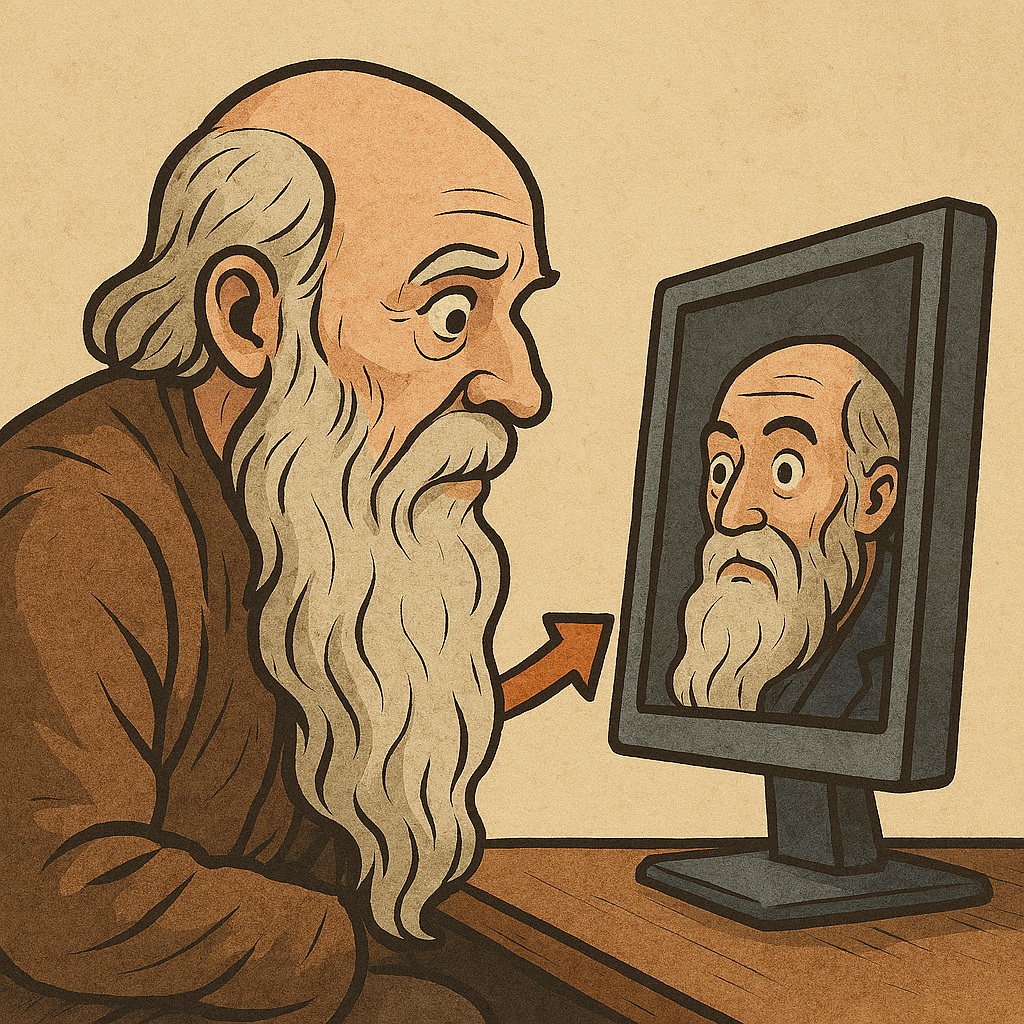
Here’s something that should concern everyone: we’ve reached a point where anyone with a smartphone can create fake videos, photos, and audio recordings that look and sound completely real. Not “pretty good” fakes that experts can spot. I’m talking about fakes so convincing that even professionals like me have trouble telling the difference. And trust me, after 40 years of staring at computer screens, my ability to spot weird pixels is legendary.
This technology is called “deepfake” AI, and it’s already being used in courtrooms, whether judges and juries realize it or not.
What Are Deepfakes?
Think of deepfakes as Photoshop on steroids. Photoshop that went to Gold’s Gym, got a PhD in computer science from University of Phoenix, and decided to cause chaos. But instead of just touching up a photo, this technology can:
- Put your face on someone else’s body in a video
- Make you appear to say things you never said
- Create recordings of your voice saying anything
- Generate completely fake images that look like real photographs
The scary part? This used to require expensive equipment and expert knowledge. Now there are apps that can do it on your phone in minutes. The same phone you use to watch cat videos and argue with strangers on the Internet.
Why This Matters in Court
Imagine you’re on a jury. The prosecutor shows you a video of the defendant at the crime scene. It looks real. It sounds real. The metadata (the hidden information in the file) says it was recorded at the right time and place.
But what if that video was created by AI? What if the defendant was never actually there?
Or flip it around: what if you’re accused of something, and there’s a fake video showing you doing it? How do you prove it’s not real when it looks so convincing?
This isn’t hypothetical. These situations are already happening in courtrooms. Welcome to the future, where “the camera doesn’t lie” is officially retired as a saying.
The Old Rules Don’t Work Anymore
For decades, we’ve had pretty good ways to tell if photos and videos were tampered with. We could look at the file’s internal structure, check when and where it was created, and spot the digital fingerprints left behind when someone edits an image.
But AI-generated fakes don’t leave those fingerprints. They’re not edited versions of real photos or videos—they’re created from scratch. There’s nothing to compare them to because there was never an original.
It’s like trying to prove a painting is a forgery when there’s no original painting to compare it to.
What’s Being Done About It
The good news is that courts are starting to take this seriously.
In 2025, new federal rules were put in place that require stricter verification of digital evidence that might involve AI. Judges can now demand that experts test evidence with multiple detection tools before it’s allowed in court.
Some tech companies are also developing authentication systems. Think of it like a tamper-proof seal on a medicine bottle, but for digital files. These systems create a kind of digital signature the moment a photo or video is captured, proving it’s authentic.
The problem? Most phones and cameras don’t have this technology yet, and it could be years before it becomes standard. So, we’re in that awkward phase where the bad guys have a bunch of cool toys and the good guys are still waiting for their equipment to ship.
How Do Experts Catch Fakes?
I wish I could tell you we have a foolproof method, but we don’t. If I had one, I’d be drinking mojitos on a beach somewhere instead of writing this article. What we do is use multiple approaches:
Run detection software. There are programs specifically designed to spot AI-generated content. They’re not perfect, but they can catch many fakes.
Look for impossible things. Sometimes AI makes mistakes—lighting that doesn’t match, shadows falling the wrong way, people with eleven fingers, or physics that just don’t work in the real world. AI is smart, but it still occasionally forgets how gravity works.
Check the story. Where did this evidence come from? Who had access to it? Does it make sense that this file exists?
Compare with other evidence. If you have ten photos from an event and nine look normal but one looks suspicious, that’s a red flag.
The truth is, detecting deepfakes is getting harder as the technology improves. The detecting tech gets better, too. But it’s an arms race, and right now, the fakers are ahead. It’s like playing whack-a-mole, except the moles have PhDs and keep getting smarter.
What This Means for You
You might be thinking, “I’m not a lawyer or a forensics expert. Why should I care?”
Here’s why: we’re all going to be affected by this technology.
Maybe you’ll serve on a jury and need to decide if evidence is real. Maybe you’ll see a video of a public figure saying something outrageous (that they never actually said). Maybe someone will use this technology to fake evidence against you or someone you love. Or maybe you’ll just want to know if that video of your uncle “dancing” at the wedding is real or if someone’s playing a prank.
We’re entering a era where “seeing is believing” is no longer true. That’s a fundamental shift in how we understand reality and truth.
What You Can Do
Be skeptical. Just because a video looks real doesn’t mean it is. This is especially important for dramatic claims or shocking content. If it seems too crazy to be true, it might be—but then again, it’s 2026, so who knows anymore.
Check sources. Before believing or sharing something, try to verify where it came from. Is it from a credible source?
Understand the stakes. In legal situations—whether it’s a court case, an insurance claim, or a business dispute—insist on proper verification of digital evidence.
Stay informed. This technology is evolving rapidly. What’s true today might be outdated in six months.
Looking to the Future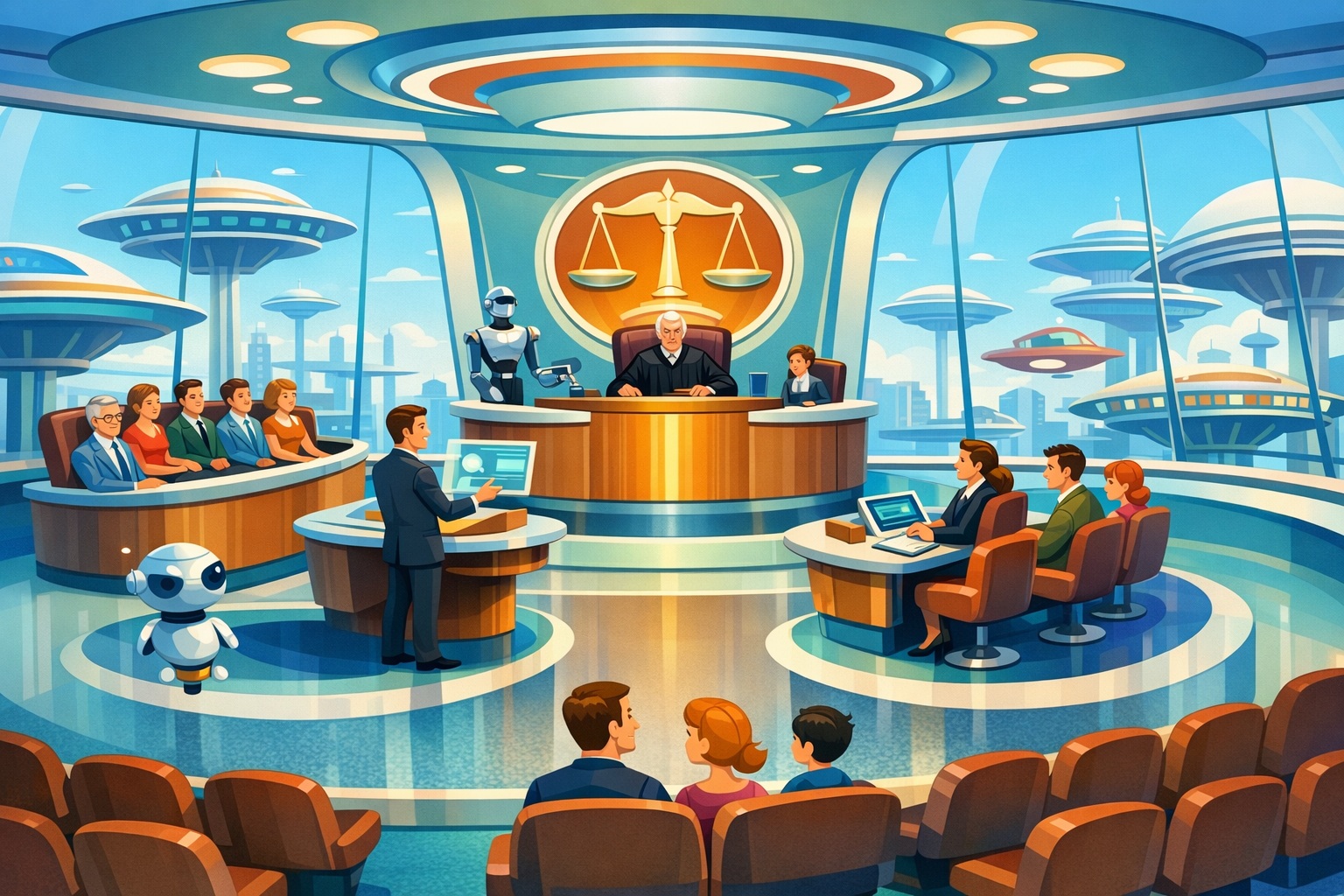
I’ve been doing this work for over 40 years, and I’ve learned that technology always creates new challenges. But we adapt. We develop new tools, new methods, new ways of finding the truth. It’s what keeps forensic experts like me from having to learn how to do something sensible, like accounting, or racing cars.
Courts are updating their rules. Researchers are building better detection tools. Tech companies are working on authentication systems. It’s going to take time, but we’ll figure this out.
In the meantime, we all need to be more careful about what we believe and more demanding about proof. The old saying “don’t believe everything you see on the Internet” has never been more important.
Because in 2026, sometimes you can’t believe your own lyin’ eyes. Which is a little ironic, because your eyes aren’t the ones lyin – it’s the computers. But try explaining that to a jury.
Steve Burgess has been working in digital forensics since 1985 and has examined evidence in over 20,000 cases. If you have questions about digital evidence or think you might be dealing with AI-generated content, Burgess Forensics can help. We also promise not to create any deepfakes of you. That’s in our mission statement.
steve@burgessforensics.com