
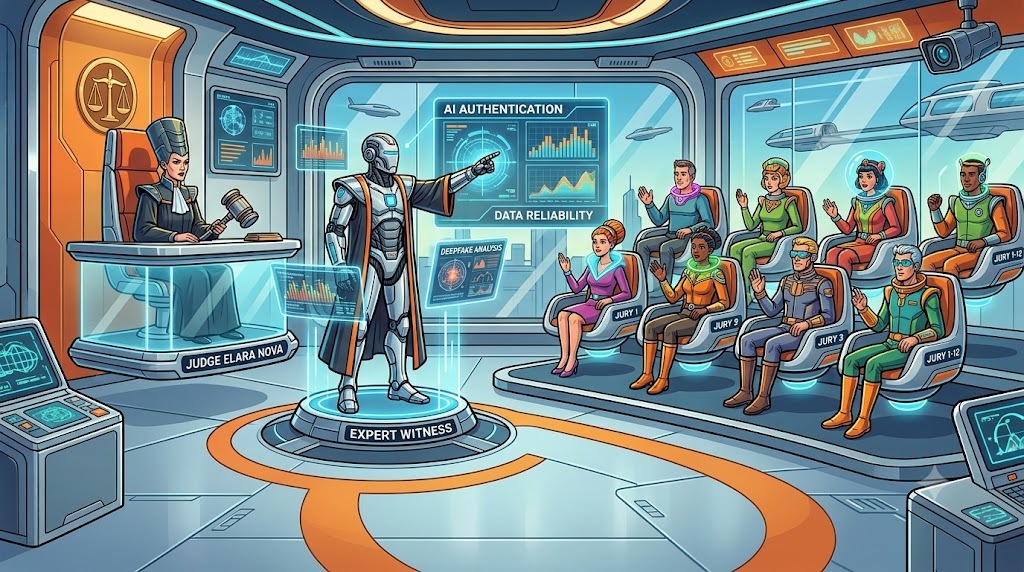
Twenty years ago, a forensic report about a hard drive was mostly an argument about whether a file existed and when it was last touched. And of course, trying to recover deleted material. Today the same report might need to address whether a video is real, whether a document was generated by a language model, whether a “deleted” text message ever really existed on the device in the first place, and especially, whether the tool used to answer any of those questions is itself reliable enough to stand behind in front of a jury.
It doesn’t come up in every case, but when it does, we’d better be ready to answer. Digital forensics has always rested on the idea that a method can be explained, tested, and challenged — that’s pretty much the whole premise behind Daubert and Frye. AI-assisted analysis complicates that premise, because a growing number of detection and authentication tools now involve models whose internal reasoning isn’t fully visible even to the people who built them. Courts are already grappling with what that means for the right to confront the basis of evidence against you, and there isn’t yet a settled answer For instance, I’ve seen questions about whether Cellebrite might mis‑label a recovered file as‘deleted’ or treat an active file as if ithad been deleted, even though the platform is historically solid and time‑tested in most other respects. Still, that’s not a hypothetical academic question; it’s a live one working its way through appellate opinions right now and it’s going to shape how expert reports get written well into the future.
What’s changing on the ground, in the meantime, is the volume and variety of source data an expert has to account for. A phone used to mean 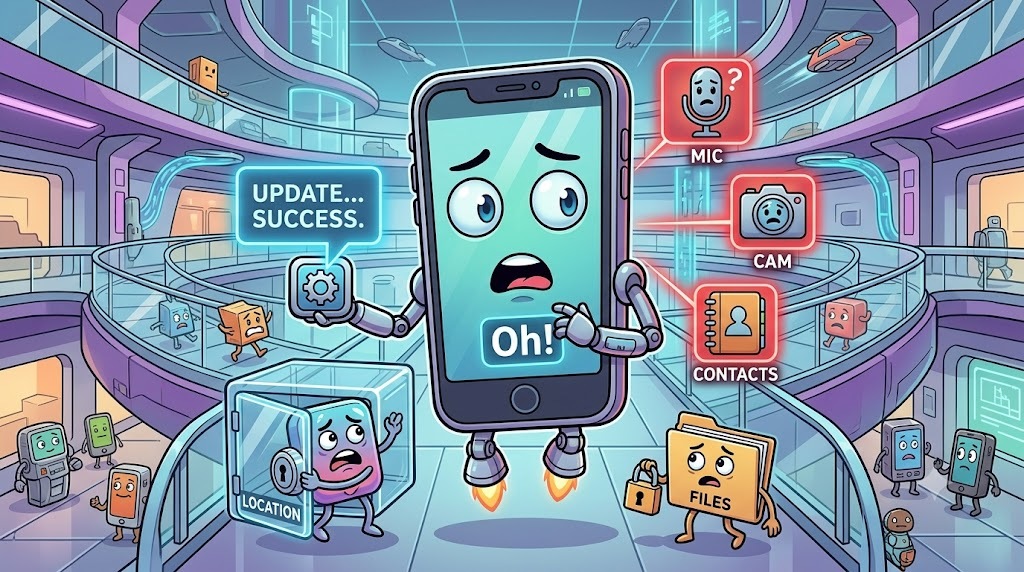 call logs and texts. Now it means cloud-synced photo libraries, health data, smart-home integration logs, location history from a dozen apps that nobody remembers granting permission to (or maybe that an update changed the permissions you did or did not grant, and metadata trails that span devices the owner may not even still possess. The expert’s job isn’t just extraction anymore — it’s building a coherent, defensible narrative out of data that lives in more places than any one device.
The next several years will bring a few concrete shifts. Although there will certainly be changing laws for changing environments, standards bodies and courts will move, slowly and , toward requiring more explicit validation testimony for AI-assisted tools. Not just “the software said so,” but documented error rates, testing methodology, and version-specific behavior, the same rigor that’s long been expected of DNA analysis and toxicology. Authentication of video and audio is going to become its own specialized sub-field, distinct from general digital forensics, the
 way arson investigation split off from general fire science. And attorneys are going to need to get comfortable asking experts pointed questions about tool provenance — not because they distrust the expert, but because opposing counsel increasingly will.
None of this replaces the fundamentals. A well-documented chain of custody still matters. So does a methodology that can be explained in plain English to twelve people, a judge, and possibly an attorney who’ve never heard of a hash value, and an expert willing to say plainly what the evidence does and doesn’t show — that hasn’t changed and I don’t expect it to. What’s changing is the amount of homework required to get there, and how much of that homework now involves tools that didn’t exist five years ago.I’d like to makethis the first in a short series looking at where this field is actually headed, drawing on conversations with people building the tools and writing the standards rather than just my own two cents.
If there’s a specific angle—AI detection reliability, Confrontation Clause questions, how courts are handling deepfake authentication—you’d like covered first, I’m glad to hear it. Trial lawyers and judges who live with these issues every day are exactly who I’m hoping to hear from, so please let me know.
Steve Burgess is a digital forensics expert witness with more than 40 years of experience and over 20,000 devices and digital media examined. He is the principal of Burgess Forensics, founded in 1984.
Don’t miss a single issue of our informative newsletter … Subscribe!