
A fitness tracker once told me the exact moment its wearer stopped moving. Not slowed down. Stopped. The device wasn’t built to establish a time of death. It was builtto count steps and nag its owner about standing up more often. But it kept a continuous record, and that record answered a question nobody had thought to ask it.
I can’t reveal much about the case. The survivors believed the facility had let conditions get too hot for too long with too little warning. The other side believed close to the opposite: that the tracker’s own history showed the deceased knew better than to push that hard through a changing but controlled environment. Both sides were arguing about the same person’s habits, and the tracker had a record of them. Dueling cardiologists reached differing conclusions about the fitness level of the deceased.
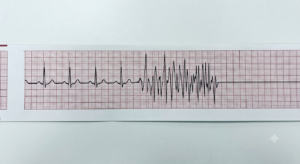 I did not expect a line chart to affect me. Heart rate climbing to a dangerous peak, dropping to zero, then flat and never moving again. Plain as any spreadsheet. Then I imagined what that jagged line meant on the floor of the event.
That case is the whole of digital forensics in one artifact. People imagine this work is about clever adversaries planting evidence. I hear that concern regularly, and it is rarely what actually happened. The real story is duller and much harder to argue with: an ordinary device did exactly what it was built to do, and nobody remembered that what it was built to do includes keeping a record.
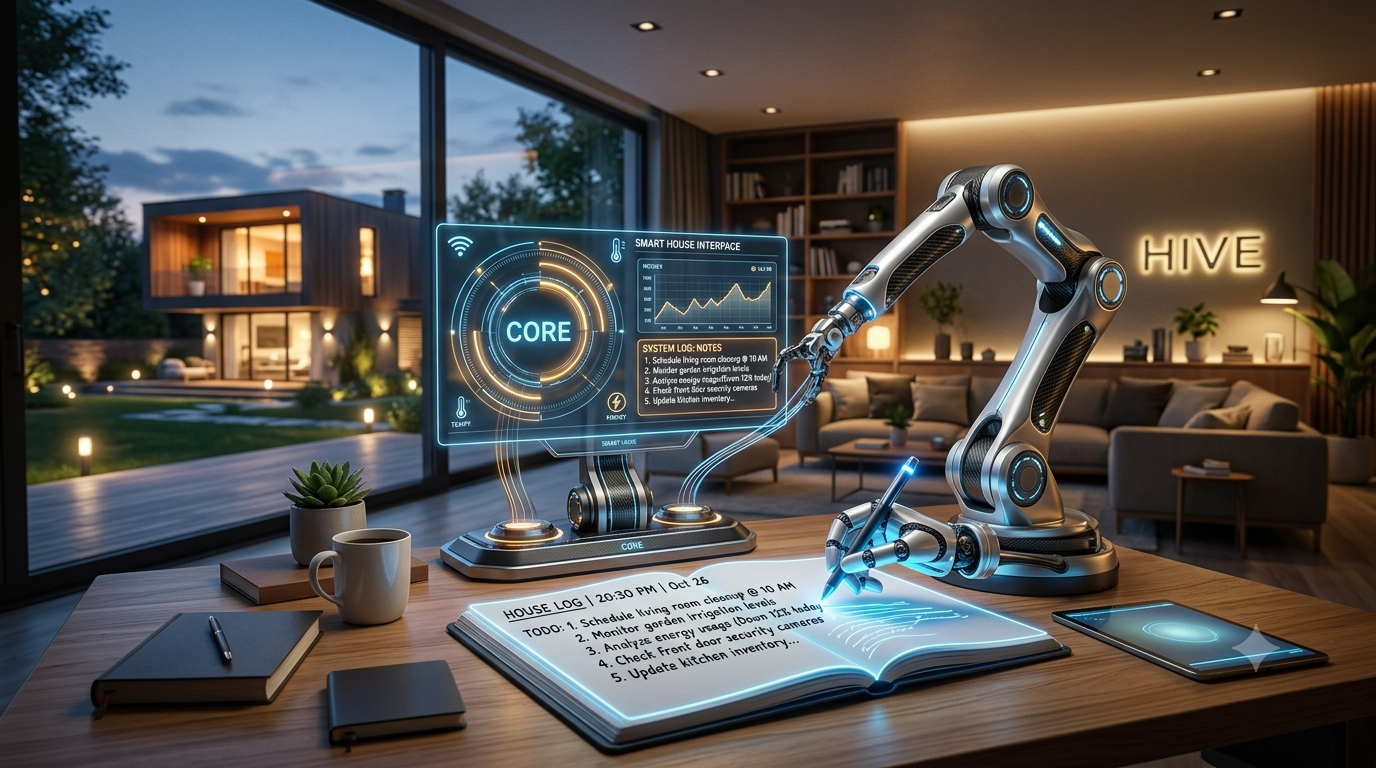
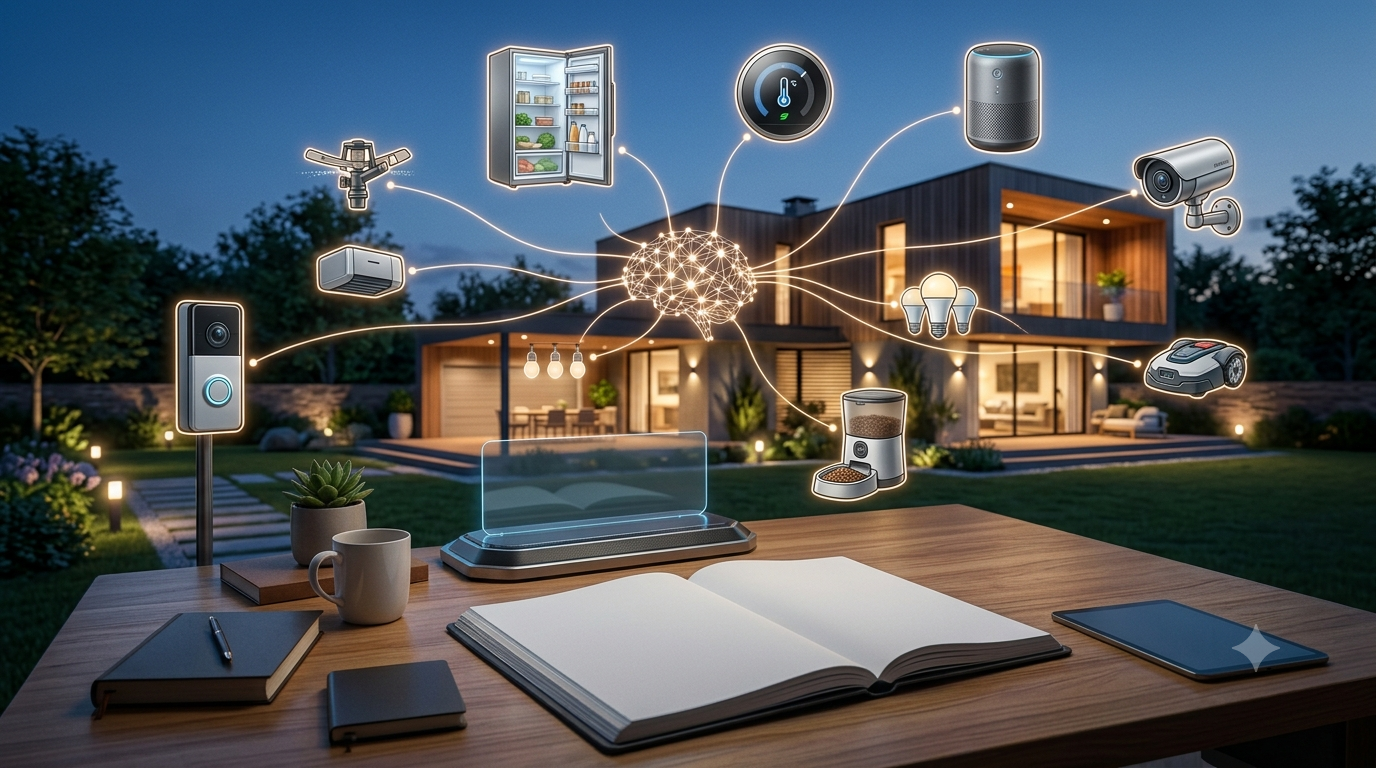 Your house is full of these. A video doorbell logs every motion event with a timestamp, whether or not itsaved any video.A voice assistant logs when it woke up, and sometimes what it heard in the few seconds on either side, depending on a setting its owner has never opened or knew existed. A thermostat infers occupancy from temperature adjustments and motion, which turns out to be a decent proxy for whether anyone was home. A robot vacuum holds a floor plan of every room it has ever cleaned. A car knows where it went and how fast it got there. It is getting harder and harder to have a good ol’ dumb home.
None of this was designed to be evidence, which is one reason it can become powerful evidence when properly authenticated and interpreted. There may still be questions about reliability, chain of custody, retention settings, incomplete logs, and similar issues, but the device itself has no made-up story to keep straight. It is not shaped by human memory in the way witness recollection is, though it still has to be interpreted carefully. Someone can be careful about what they say out loud and still be wearing a watch that logged a heart rate spike at the moment in question.
 The law is still catching up. Carpenter v. United States narrowed the old assumption that anything you hand to a company is fair game without a warrant, at least for cell site location records. Aside from preservation duties, discovery scope, and the need to meet and confer, there is a live question whether that reasoning will narrow access to data from a thermostat, a vacuum’s floor map, or a year of refrigerator door-open events. Those boundaries are being worked out one motion and one court at a time as we speak. I would not bet on the answers looking the same in five years as they do today.
For lawyers, the lesson is simple: ask early what connected devices were present, where the data is stored, how long it is retained, and who controls it.
In the meantime, the practical reality is simpler. Your home has more employees than you think, and all of them are taking notes. None of it is malicious. Much of it may be discoverable or obtainable, if someone thinks to ask.
What smart-device data point has surprised you most, in a case or in your own house? I’d love to hear about it.
Steve Burgess is a digital forensics expert witness with more than 40 years of experience and over 20,000 devices and digital media examined. He is the principal of Burgess Forensics, founded in 1985.
Don’t miss a single issue of our informative newsletter … Subscribe!